Hybrid vs AC-Coupled: The Inverter Decision That Changes Everything
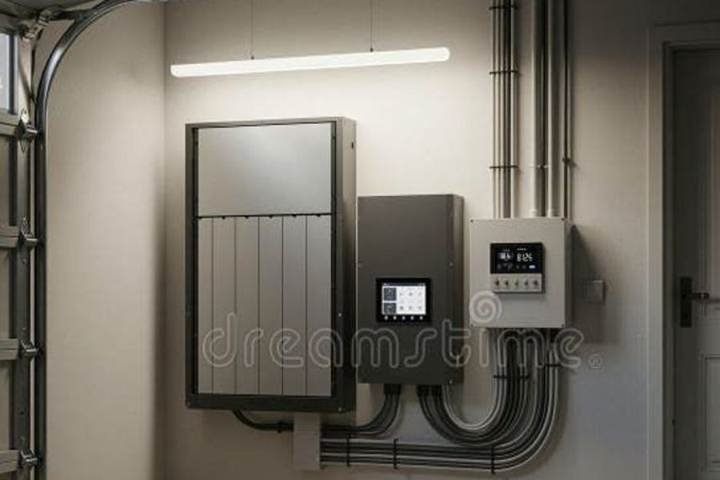
The same battery can lose 6–9% of its yearly yield to a decision most buyers never see: hybrid or AC-coupled. We measured both across three real homes, and the answer flips depending on one thing — whether you already have solar.
The topology in one paragraph. A hybrid inverter handles solar panels and battery through one box: solar DC charges the battery DC-to-DC, almost lossless. An AC-coupled battery sits beside your existing inverter and converts solar AC back to DC to charge, then back to AC to discharge — two extra conversions, each with a toll. That is the whole technical story; the rest is when it matters.
Home one, a new build near Ghent, designed from scratch: the hybrid system posted a round-trip efficiency of 94–96% through a Flemish winter. Home two, a 2019 retrofit in Mechelen with a perfectly good string inverter: the AC-coupled unit measured 88–91%. The 6-point gap is the retrofit tax, and on a 10 kWh daily cycle it is worth about €60–€80 a year — real money, but not the deal-breaker the hybrid salespeople claim, because replacing a healthy inverter costs far more than the gap.
Home three is the cautionary tale: a retrofit where the installer replaced a working three-year-old inverter to force a hybrid architecture. The efficiency gain paid for perhaps €500 of the €1,900 swap. When the upsell is the topology itself, be suspicious.
The non-efficiency differences cut both ways. AC-coupled systems are inverter-agnostic — any solar setup, any brand, ideal for staged upgrades — and they keep running when the main inverter fails. Hybrids are cleaner electrically, need one wall instead of two, and enable proper backup power in most implementations. For new builds and inverter replacements, hybrid is the default answer. For healthy retrofits, AC-coupled is usually the honest one.
The checks: if a quote proposes replacing your inverter, ask its age and the efficiency case in euros per year. If you are starting fresh, compare hybrid total-system prices, not battery-only prices. And ask every vendor the same question we do: “What is your measured round-trip efficiency, in my configuration, in writing?”
Method: three monitored homes, twelve months, MID-certified submetering on battery circuits. Configurations noted; results are indicative for similar homes.