Balcony solar: plug-and-play rules
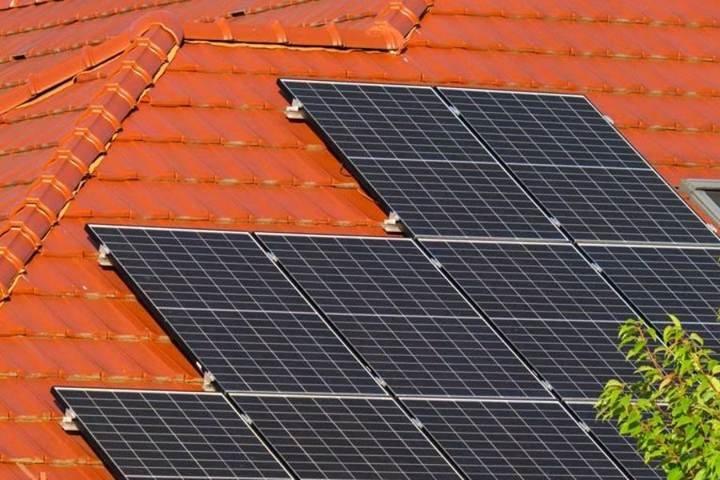
This guide exists because the question behind it — balcony solar: plug-and-play rules — is one of the most searched, most mis-sold topics in home energy in our three markets. What follows is the version we would want to read before spending five figures: the mechanism, the real numbers from our benchmarks, the mistakes we see in actual quotes, and a short list of actions you can finish this week. No products are pushed in this guide; brands appear only where the data requires them.
What you need to know first
A rooftop system is a generator with a thirty-year life sold through a channel that prices like a bazaar. The technology is settled; what is not settled is what you pay for it and what happens when something fails in year nine. This guide treats the purchase the way we benchmark it: as a stack of separable line items, each with a market price.
The numbers that matter
The numbers first. A 5 kWp system produces 4,500–5,000 kWh a year in our climate. Quotes for equivalent systems spread by up to €6,000; normalised line-by-line, the real spread is still €1,300–€2,500. Scaffolding, inspection, registration and monitoring account for most of the fake spread. Self-consumption without a battery sits at 30–35%; each additional 10% is worth roughly €90–€140 a year.
How this plays out in Belgium
In Belgium, three levers decide the outcome. The capacity tariff rewards peak-shaving — a battery or a smart charger earns a second income here that German and Dutch hardware economics do not include. The 6% renovation VAT rate applies to homes older than ten years and must be claimed correctly on the invoice. And Fluvius registration is mandatory, currently backlogged — file early, keep the confirmation, and operate only within the regime your registration states.
How this plays out in the Netherlands and Germany
In the Netherlands, the end of salderen reframes everything: exported solar is worth a feed-in rate instead of the retail rate, so self-consumption and storage carry the case. Watch supplier feed-in charges — they differ by hundreds of euros a year. In Germany, the bar is documentation: certification, §14a conformity for controllable loads, and a service network that answers in German. Price leads in Belgium, structure leads in the Netherlands, proof leads in Germany.
The mistakes we see in quotes
Where quotes go wrong on this topic is predictable: the headline price is compared, the line items are not. Two quotes with identical hardware differ by scaffolding, keuring, registration and monitoring; two quotes with identical totals differ in warranty substance. Compare line by line, or use Quote Check to normalise them for you.
A second pattern deserves its own paragraph: the upgrade suggestion that arrives at the kitchen table rather than in the quote. A larger battery, a faster charger, a premium module line — offered verbally, framed as a favour, and rarely documented. If it is not in the written quote with a written reason, it does not exist. And if the written reason is ‘future-proofing’, ask which future, priced how.
Your action list
Your action list. One: gather your actual consumption data — twelve months, by quarter-hour if your meter allows. Two: collect three quotes and normalise them line by line. Three: ask the warranty question in writing before signing, not after. Four: register with the grid operator early; the backlog is real. Five: re-run the maths after the first energy bill arrives — the first winter tells you whether the sizing was honest.
A worked example
A worked example from our benchmark set. Two quotes for the same Ghent roof: 12 modules, hybrid inverter, 5.4 kWp. Quote A: €8,950, excluding scaffolding (€950) and inspection (€250). Quote B: €10,400 all-in with monitoring included for life. Line-by-line, B is €700 cheaper on a like-for-like basis — before warranty terms are even read. The homeowner nearly signed A because the headline was lower. The lesson is the method, not the brands.
The checklist, printable
- Get scaffolding, inspection, registration and monitoring as separate priced lines
- Confirm 6% VAT eligibility in writing for renovation homes
- Ask for the panel and inverter warranty documents
- Check the installer’s workmanship warranty term
- Benchmark the quote against at least two others
Questions readers actually ask
Is premium glass-glass worth it? — On constrained roofs or harsh sites, yes; elsewhere the maths rarely close.
What if my installer disappears? — Manufacturer warranties survive; workmanship does not. Choose accordingly.
Do I need to register? — Yes, always; the grid operator’s flow applies even to plug-in systems.
One level deeper
One level deeper, for readers who want it. A module’s datasheet performance is laboratory light at 25°C; your roof offers diffuse northern light, temperature swings and partial shade from chimneys and trees. The metrics that survive contact with a Flemish roof are low-light yield, temperature coefficient and degradation curve — none of which appear in headline marketing. This is also why installer workmanship dominates outcomes: flashing, cable routing and connector quality decide failure rates more than cell brand.
What we would tell a friend
What we would tell a friend. Three quotes, line by line, everything in writing, 6% if you qualify, and choose the installer you’d want to phone in year eight.
The bottom line
The bottom line. This topic is not complicated; it is complicatedly sold. Strip the marketing, keep the arithmetic, and the right answer for your household is usually obvious within one evening of honest numbers. That is what this platform is for.