German suppliers make dynamic EV tariffs a default option
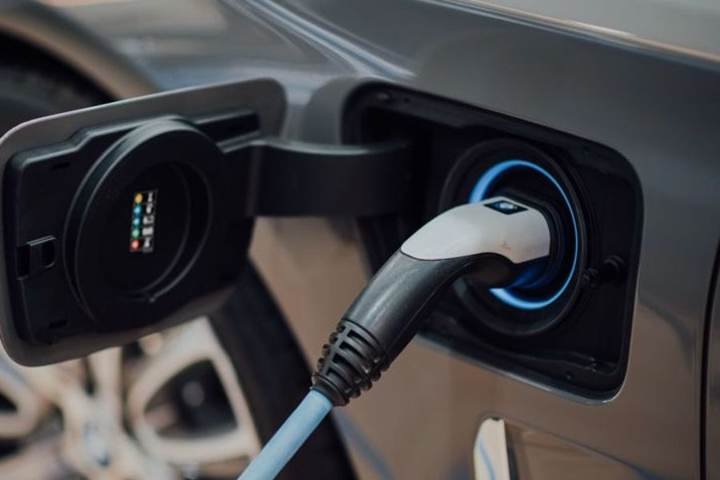
Section 14a ripple effects: controllable home chargers increasingly ship with tariff-linked plans attached.
Home charging is converging with home storage: the charger is no longer a socket on the wall but a controllable load that decides when energy flows. In markets with dynamic tariffs and capacity pricing, the difference between a smart and a dumb charger is measured in hundreds of euros per year.
The numbers we track put this in context. A home charger installed costs €800–€1,600 depending on cabling distance and meter-cabinet state; tariff-aware scheduling saves €150–€310 a year on a dynamic contract; 11 kW three-phase covers overnight charging for 90% of driving patterns, making 22 kW an overspend for most households. Bidirectional readiness — hardware and grid permission — is the feature that will separate this year’s chargers from next year’s stranded assets.
A worked example makes the stakes concrete. A household charging 2,800 kWh a year at a flat €0.34 pays €952; the same energy scheduled into cheap quarter-hours averages €0.24 and costs €672 — and a few dozen free or negative-price hours trim it further. The charger that automates this pays for its own price premium in about two years; the one that cannot, never does. That is the arithmetic behind today’s story.
Our coverage of this file has followed the charger from dumb socket to grid asset: the 3.7 vs 22 kW debate, the arrival of tariff-aware scheduling, the first bidirectional pilots. The direction has been consistent — more intelligence per euro — and this story is the next step on that line.
Manufacturers see the same writing on the wall. Scandinavian and Dutch charger makers compete on software cadence; Chinese entrants compete on price and integration with their battery ecosystems; energy suppliers watch both, because whoever controls the charger’s schedule increasingly touches the household’s flexibility revenue.
Who should act on this: EV owners charging at home on a fixed tariff (the savings case is immediate); households about to order a charger (feature lists changed this quarter); and anyone with a battery already installed (charger-battery coordination is where the next €200 a year sits). Apartment and shared-driveway cases should follow the rules track, not the hardware track.
Two reader scenarios to map this onto your own case. If you are choosing a charger now, weight tariff integration and protocol openness above peak kilowatts — the features decide your running costs, the kilowatts mostly do not. If you already own a charger, check whether a firmware or tariff update unlocks the capability this story describes before budgeting for new hardware.
Three checks before you act: confirm your connection’s phase and capacity with the grid operator; demand the tariff-integration list in writing (which suppliers, which protocols); and verify who updates the firmware and for how long. Each check takes one email.
We will keep tracking this file. The next checkpoint is the moment installers adjust their standard quotes — typically four to eight weeks after a move like this — and we will benchmark the before and after.
For homeowners, the practical takeaway: check how this affects your own numbers before you act — the quote, the tariff sheet, the registration status. Our guides and the Quote Check tool apply this story to your situation.
Our newsroom verified the claims against publicly available documentation. Where numbers are involved, we reproduce the calculation in the linked analysis.