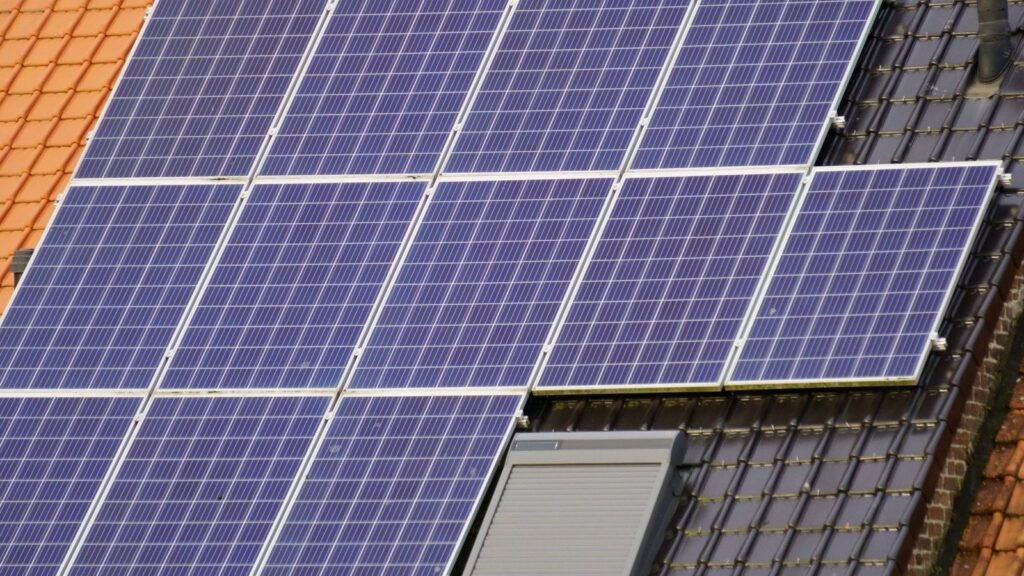
Germany’s residential solar sector is entering a new phase as policymakers move to overhaul the country’s long-standing feed-in tariff framework. The proposed changes would affect how small rooftop systems are compensated for electricity sent to the grid, a mechanism that has underpinned the country’s solar boom for more than two decades.
Under a draft EEG amendment, compensation for new PV systems up to 25 kW feeding to the grid would be reduced, according to Clean Energy Wire. The reform marks a significant departure from Germany’s landmark fixed feed-in tariff model, which guaranteed above-market rates for renewable generators.
The government agreed the phase-out of fixed feed-in tariffs for new small solar PV systems on 30 July 2026, Clean Energy Wire reported. The move is expected to push homeowners toward greater self-consumption and battery storage, as export revenues decline.
Earlier in the year, a drop in residential solar demand drove German PV installations down in Q1 2026, according to pv-tech.org. The slowdown came as high interest rates and softer electricity prices weighed on household investment decisions.
Industry observers note that the proposed tariff changes could further dampen demand unless paired with stronger incentives for storage and smart consumption. For C&I project owners, the shift raises questions about the economics of larger self-consumption installations.
Across Europe, heat pump sales rose 17% in Q1 2026 as energy prices surged, according to pv-magazine.com. The trend underscores growing homeowner interest in electrification and on-site energy management.
In Bosnia and Herzegovina, the first residential solar scheme has opened, according to pveurope.eu. The programme is seen as a test case for other Western Balkan markets seeking to expand rooftop PV.
At the EU level, Brussels is pushing to cut subsidies for Chinese inverters, according to energyindustryreview.com. The debate reflects broader concerns about supply chain resilience and domestic manufacturing capacity.
Meanwhile, Spain has doubled down on a €9 billion green push while leaving blackout questions unanswered, according to brusselssignal.eu. The package includes support for renewables and grid upgrades, though critics say reliability risks remain insufficiently addressed.
| Market | Development | Source |
|---|---|---|
| Germany | Draft EEG would cut compensation for new PV systems up to 25 kW | Clean Energy Wire |
| Germany | Residential solar drop drives PV installations down in Q1 2026 | pv-tech.org |
| Europe | Heat pump sales rise 17% in Q1 as energy prices surge | pv-magazine.com |
| Bosnia and Herzegovina | First residential solar scheme opens | pveurope.eu |
| EU | Push to cut subsidies for Chinese inverters | energyindustryreview.com |
| Spain | Doubles down on €9 billion green push | brusselssignal.eu |
For homeowners and C&I project owners, the coming months will be critical. Policy design, equipment costs, and financing conditions will determine whether Europe’s solar momentum continues or stalls.